Safe coin handling: protect surfaces while you inspect
Collector care · 3 min read · Updated October 16, 2026
Start with a clear workspace
Inspect one coin at a time over a clean, soft surface. Keep drinks, food, loose tools, and anything abrasive away from the work area. Good preparation reduces the chance of a drop or accidental contact.
Hold the edge, not the faces
Natural skin oils can leave residue on a coin. Handle it gently by the rim with clean, dry hands or suitable gloves, and avoid touching the obverse and reverse fields. Never rub a mark to test whether it will move.
Use light before magnification
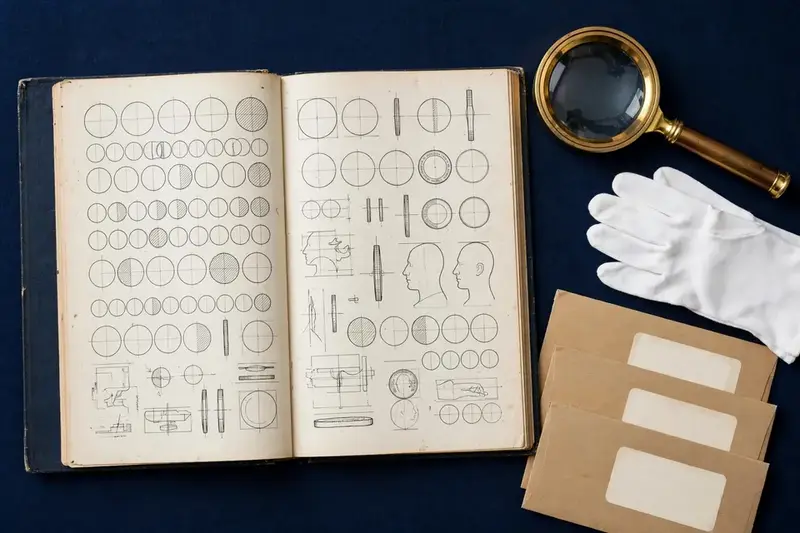
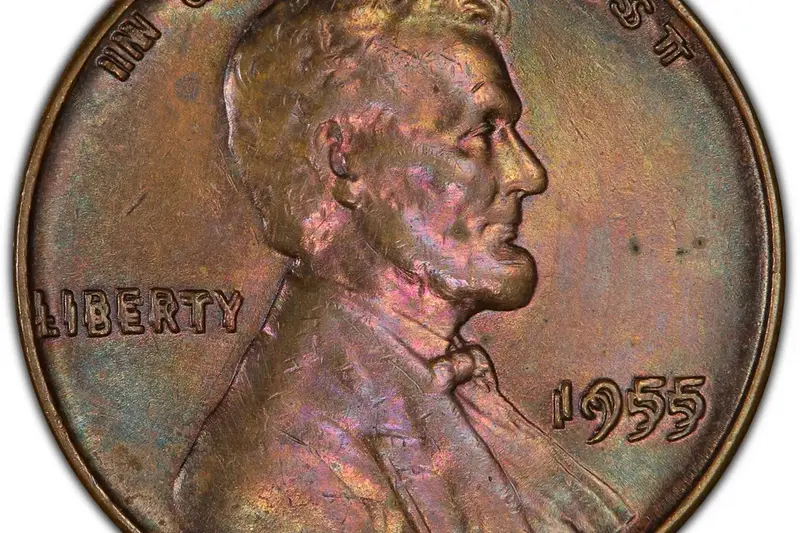
Begin with a neutral light angled across the surface. Rotate the coin slowly to watch how luster, wear, contact marks, and possible hairlines react. A 5× to 10× loupe can help with small details, but overall condition should still be judged at normal viewing distance.
Leave the surface unchanged
Polish, chemical dipping, erasers, cloths, and household cleaners can permanently alter a coin. If residue or corrosion is present, document it and seek experienced conservation guidance instead of attempting a home treatment.
Store with the same care
Use inert, correctly sized holders and keep the collection in a stable, dry environment. Label the holder rather than the coin, and record the date, mint mark, weight, measurements, and photographs separately.