What makes a U.S. coin a key date?
Coin guide · 4 min read · Updated October 15, 2026
Mintage is only the first clue
A low recorded mintage can make an issue difficult to locate, but it does not tell the whole story. Melting, circulation, saving habits, hoards, and later discoveries all affect how many examples remain available to collectors.
Survival and condition matter
Some issues are available in worn grades but become unusually difficult with original luster and clean surfaces. Others were saved when new, so their survival rate is stronger than the mintage alone suggests. A useful comparison keeps the exact date, mint mark, variety, and grade tier together.
Recognized varieties need exact attribution
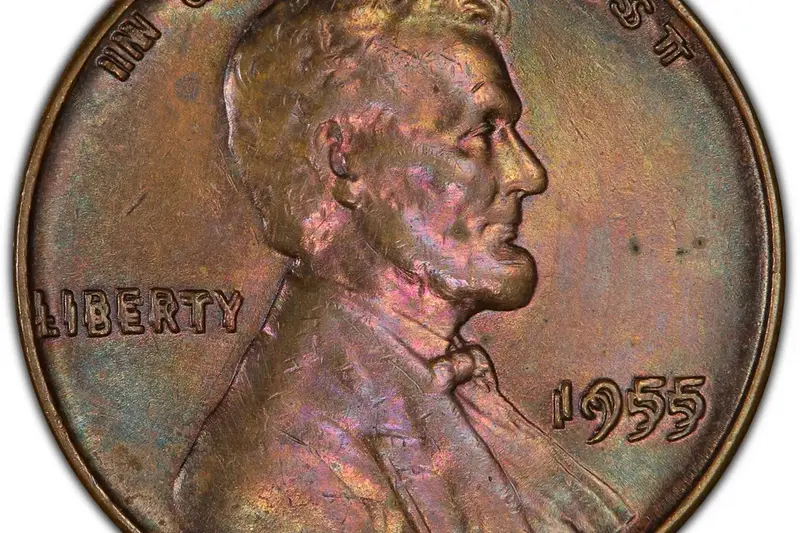
A doubled die, overdate, overmintmark, or reverse design can turn a common parent issue into a notable variety. Compare the coin with a recognized diagnostic guide; ordinary machine doubling, damage, or a weak strike is not the same as a confirmed variety.
Authentication comes before an estimate
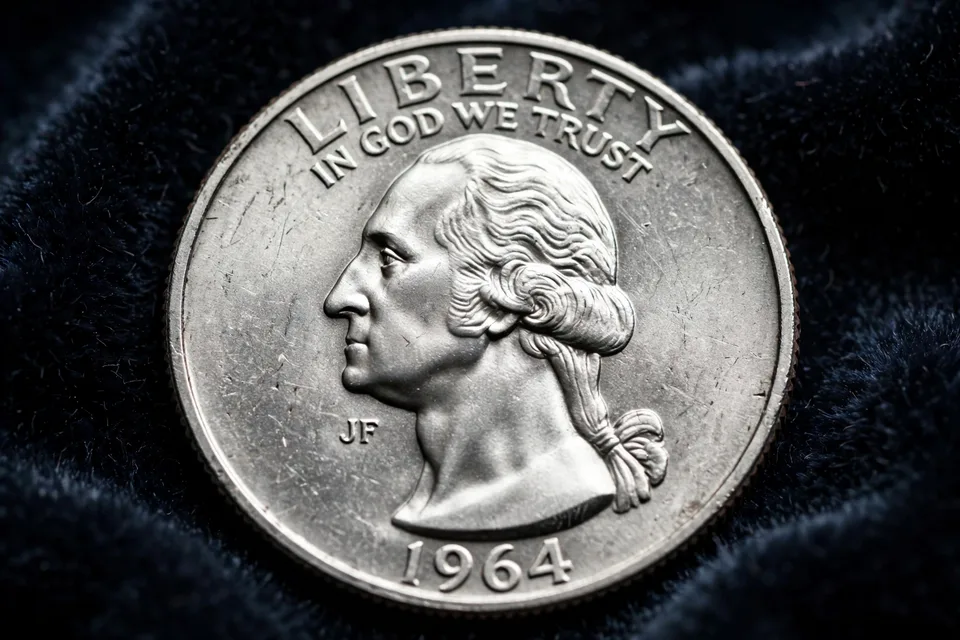
Important dates attract altered mint marks and counterfeits. Weight, dimensions, metal composition, design diagnostics, and expert examination may all be needed. An estimate is meaningful only after the identity of the coin is reasonably established.
Research one exact issue at a time
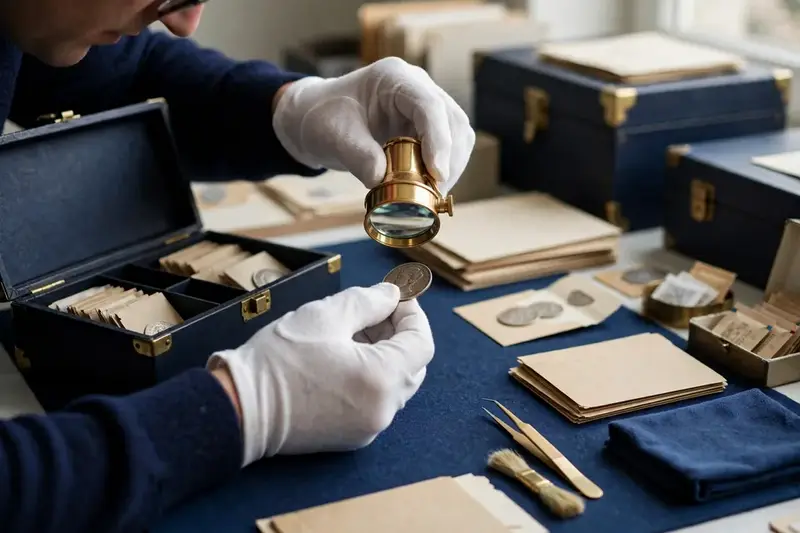
Record the complete attribution, examine the coin under consistent light, compare like-for-like grade tiers, and keep the source date with every reference. That process is more dependable than treating every old or low-mintage coin as equally scarce.