How Much Is a Buffalo Nickel Worth? From 50 Cents to $511,875+
Nickels · 9 min read · Updated October 22, 2026
How Much Is a Buffalo Nickel Worth?
How much is a Buffalo nickel worth? Most circulated Buffalo nickels are worth 50 cents to $2+, while problem-free common dates in uncirculated condition bring $15 to $30+. But this series hides some of the greatest treasures in American coinage: the 1918/7-D overdate sold for a record $511,875 in 2024, the 1926-S brought $322,000, and the famous 1937-D three-legged error regularly trades for $900 to $1,500+ even in circulated grades. Your Buffalo nickel's worth comes down to three things — its date, its mint mark, and its condition — and knowing how to read them can turn pocket change into a fortune.
The Story Behind the Buffalo Nickel
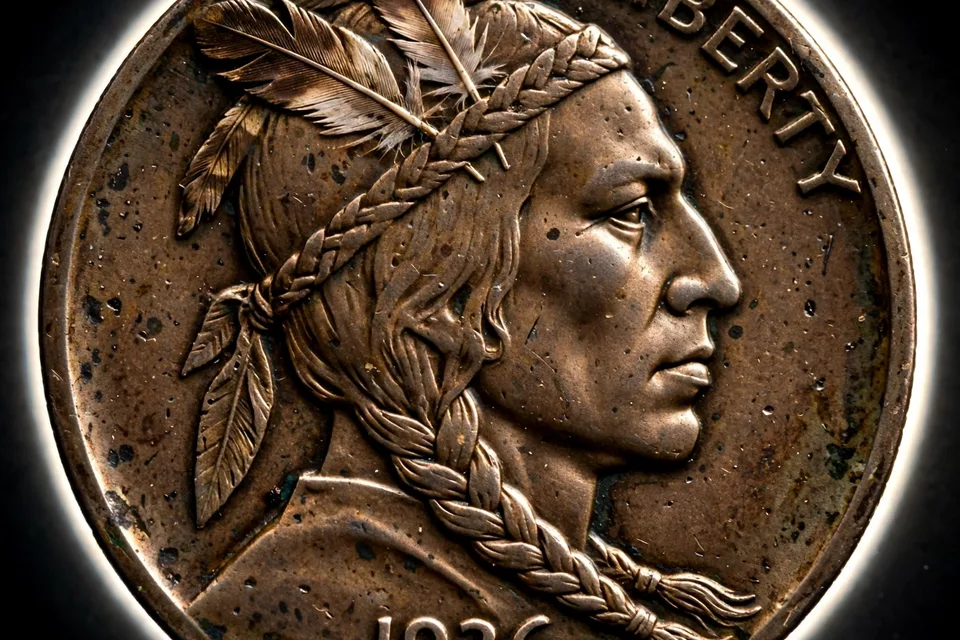
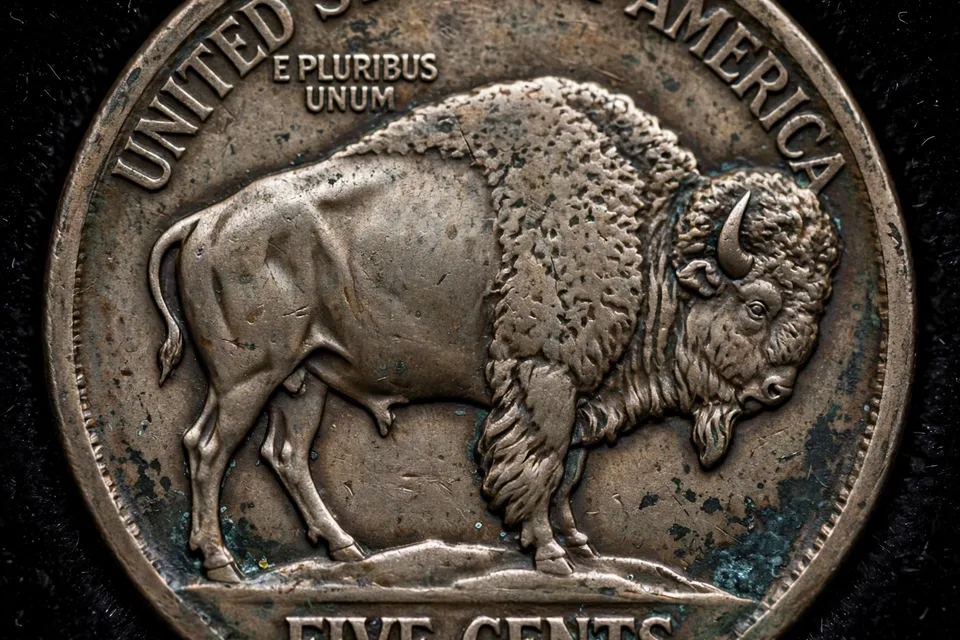
The Buffalo nickel — officially the Indian Head nickel — was struck from 1913 to 1938, replacing the Liberty Head nickel that had run since 1883. It was sculptor James Earle Fraser's masterpiece: a Native American profile on the obverse (a composite portrait drawn from the features of real chiefs, including Iron Tail, Two Moons, and Big Tree) and an American bison on the reverse, modeled on Black Diamond, the celebrated bison of the Bronx Zoo.
The coin was revolutionary and problematic in equal measure. Its struck-through-relief design looked like nothing America had ever circulated — and its most important detail sat on the design's highest point. The date, raised on a mound at the shoulder, wore away within decades of hard circulation. That is why millions of dateless Buffalo nickels exist today, and why a crisp full date is worth real money all by itself.
Two subtypes exist for the first year. The 1913 Type 1 shows the bison standing on a raised mound with "FIVE CENTS" in raised letters; mid-year the Mint lowered the design to a recessed plain — the Type 2 — because the raised lettering was wearing off in circulation. Type 1 was made in 1913 only, at all three mints.
Specifications are the same across the series: 75% copper and 25% nickel, 5.0 grams, 21.2 millimeters, with a plain edge. No silver, no gold — value lives entirely in rarity and condition.
How Much Is a Buffalo Nickel Worth by Condition?
For ordinary dates, here is what the market pays:
| Grade | What it looks like | Typical value |
|---|---|---|
| Dateless (worn smooth) | Date gone from wear | $0.10–$0.50 |
| Good (G-4) | Date readable, heavy wear | $0.50–$1 |
| Very Good (VG-8) | Major details visible | $1–$2 |
| Fine (F-12) | Horn begins to show | $2–$4 |
| Very Fine (VF-20) | Light-to-moderate wear | $4–$8 |
| Extremely Fine (EF-40) | Light wear on high points | $10–$20+ |
| Uncirculated (MS-60+) | No wear, original luster | $15–$30+ |
These are common-date prices. A key date or error in the same grade can multiply these figures by a hundred — or a thousand. That is why the next section is the one that matters.
Buffalo Nickel Key Dates: The Coins Worth Real Money
A short list of dates and varieties carries almost all of the series' value:
| Date | Why it matters | Value range |
|---|---|---|
| 1918/7-D | Famous overdate; record $511,875+ | $900+ worn; $350,000+ mint state |
| 1926-S | Lowest mintage of the series (970,000) | $650+ worn; $322,000 record |
| 1937-D 3-Legged | Missing foreleg error | $450+ worn; $99,875 record |
| 1916/16 Doubled Die | Doubled date | $1,000+ worn; $281,750 record |
| 1913-S Type 2 | First-year low mintage | $300+ worn; $50,000+ mint state |
| 1914/3 | Overdate | $300+ worn; five figures mint state |
| 1914-D | Low mintage | $150+ worn; four figures mint state |
| 1921-S | Scarce, badly struck | $100+ worn; $51,750 record |
| 1924-S | Tough in high grade | $75+ worn; $105,750 record |
| 1936-D 3½ Legs | Partial-leg variety | $100+ circulated |
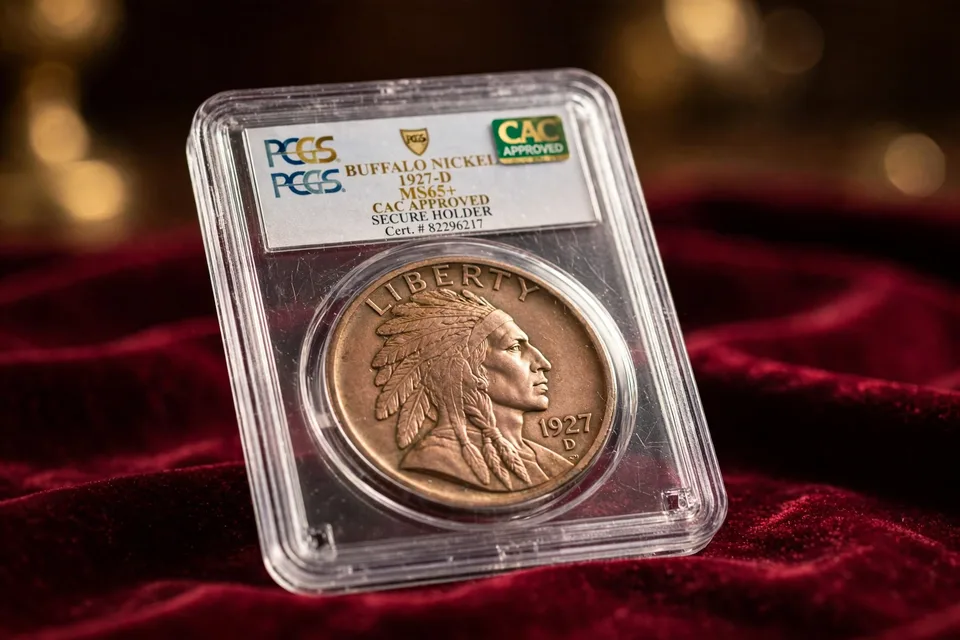
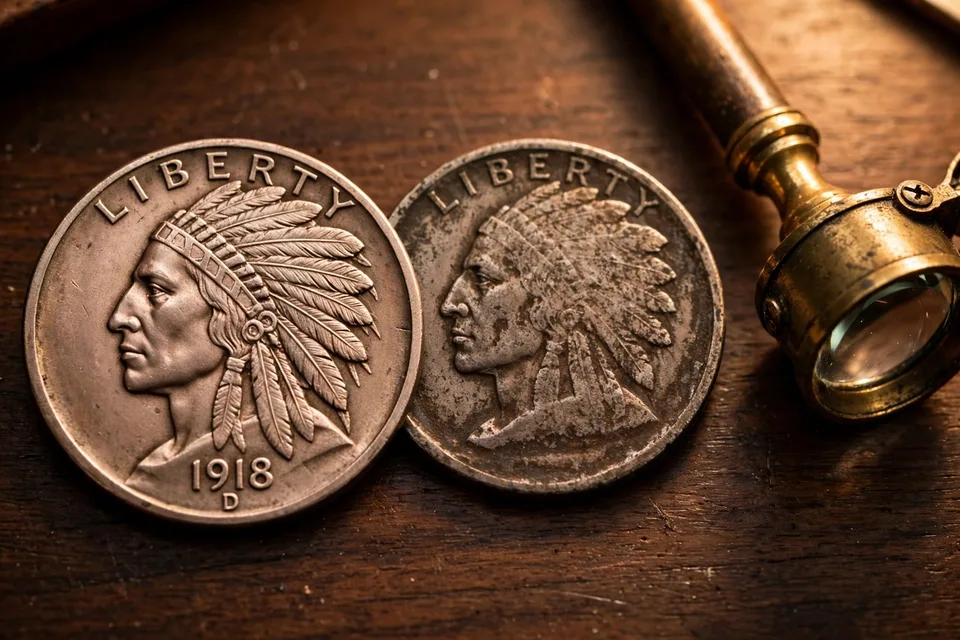
The 1918/7-D overdate is the king of the series. In the press of wartime demand, Denver overhubbed a 1917 die with 1918 numerals, leaving a strong visible "7" under the "8" — so clear you can often see it with the naked eye. Only one die produced it. On February 11, 2024, a PCGS MS65+ example sold for $511,875 at GreatCollections — the most ever paid for a five-cent piece. Even worn examples with a clear overdate bring $900+.
The 1926-S never got the error fame, but it is the toughest regular date in the set. With just 970,000 struck and few saved, it is rare in every grade; an MS66 brought $322,000 in 2008.
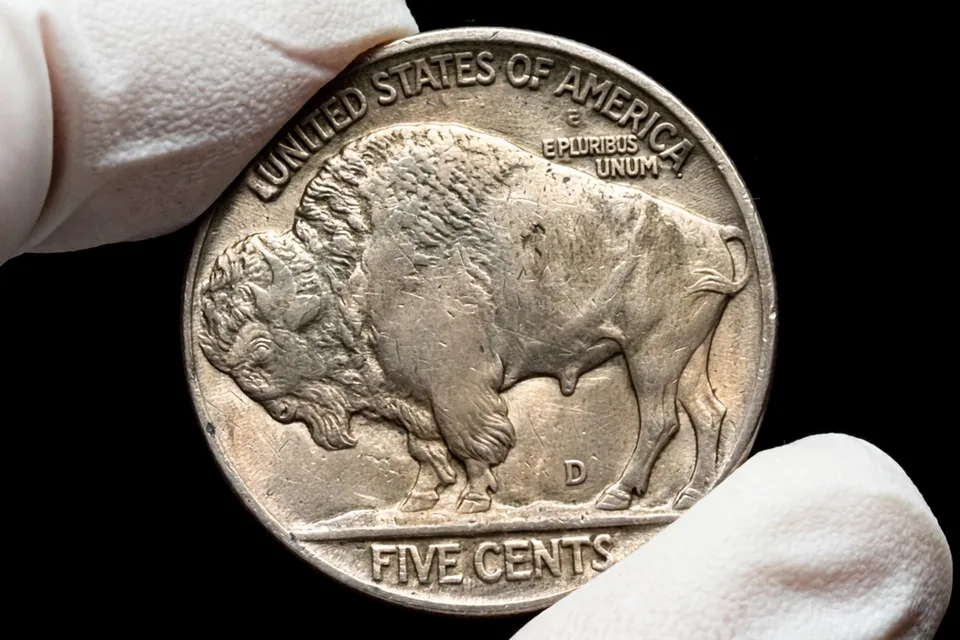
The 1937-D 3-legged nickel is America's most famous mint error. A Denver die clashed with another die, and a zealous mint worker polished the clash marks away — polishing right off the bison's front foreleg in the process. Coins struck from that die went into circulation with a three-legged buffalo. NGC guide values place circulated examples at $350 to $1,950, with Extremely Fine pieces at $900 to $1,500+ and Mint State examples at $5,000 to $9,000+. The auction record is $99,875 for a PCGS MS66+ sold in 2021. Because counterfeits are everywhere, only buy this variety certified.
The 1916/16 doubled die shows a fully doubled date from a misaligned hubbing — one of the boldest doubled dies in U.S. coinage. A PCGS MS64 brought $281,750 in 2004; even low-grade examples start around $1,000+.
How to Tell If Your Buffalo Nickel Is Valuable
Run through this checklist with a 10x loupe:
- Read the date. No date, or a partial date, means the coin is worth melt-adjacent money — $0.10 to $0.50. A full bold date is the first requirement for a premium.
- Find the mint mark. It sits on the reverse, below "FIVE CENTS." A "D" means Denver, an "S" means San Francisco, and no mark means Philadelphia. The rarest dates in the series are nearly all D and S issues.
- Check for the famous errors. Look at the bison's legs — a missing front foreleg on a 1937-D is the three-legged variety. On a 1918-D, look for a "7" ghosting under the "8." On a 1916, look for doubling in the date.
- Grade honestly. Buffalo nickels were often weakly struck, so separate strike weakness from wear. Full horn detail and a sharp date push a coin up the value ladder fast.
- Never "restore" a dateless coin. Acid treatments that bring back a worn date destroy collector value — a restored-date coin is worth less than a naturally dateless one. And never clean a Buffalo nickel; cleaning turns a $500 coin into a $50 coin.
- Certify the big ones. Any coin that might be a key date, overdate, or three-legged variety belongs in a PCGS or NGC holder before it changes hands. The authentication cost is trivial next to the stakes.
Run our Key Date Checker to walk through the full list of dates worth a second look, and use Grade-or-Not for a straight verdict on whether your coin is worth the grading fee.
Are Dateless Buffalo Nickels Worth Anything?
Yes — a little. Dateless Buffalo nickels trade for $0.10 to $0.50 each, mostly as type coins, album fillers, and novelty pieces. Dealers buy them in bulk for craft and jewelry use. They are not worthless, but they are not lottery tickets either: without a readable date, no key-date premium can attach. If you inherit a jar of dateless nickels, sort them by mint mark anyway — a dateless 1913-S Type 2 still carries a small premium to specialists, and the exercise costs nothing.
The Roll-Hunting Angle
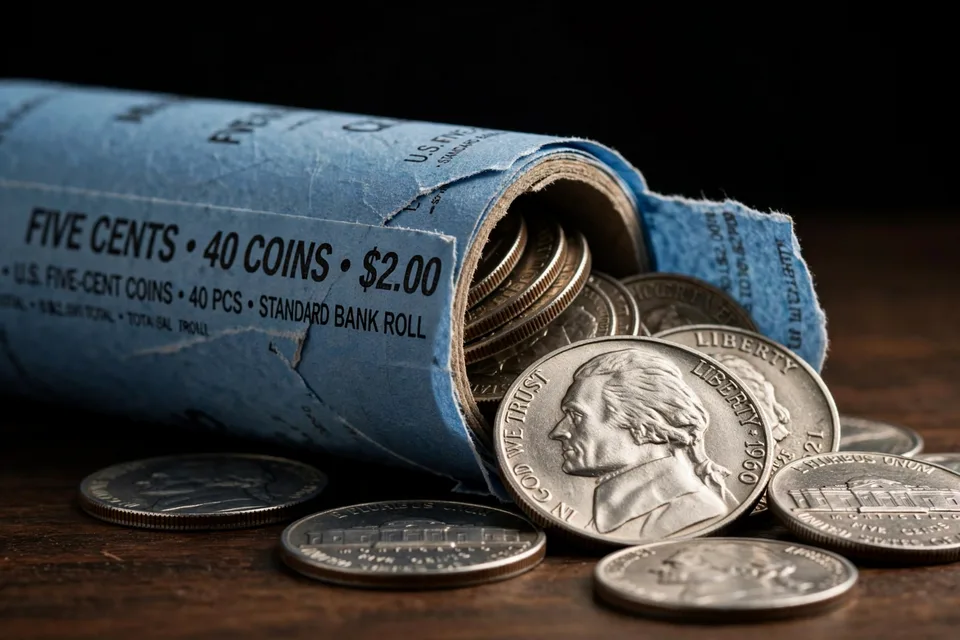
Buffalo nickels still surface in bank rolls, estate jars, and old collections — which is why roll hunters love the five-cent piece. A standard roll holds 40 nickels ($2 face value), and every roll is 40 chances at a key date hiding in plain sight. Our guide to how many nickels are in a roll covers roll-hunting strategy in detail, and wartime silver "war nickels" (1942–1945) are a bonus find worth knowing — those are Jefferson nickels, but they turn up in the same hunts.
Find Out What Your Buffalo Nickel Is Worth
Run our free Coin Value Checker to compare your Buffalo nickel against current market ranges for its exact date and mint mark — from common circulated pieces to the great key dates. Think you have a three-legged variety or an overdate? The Error Identifier confirms the diagnostics before you spend a dollar on certification. And if you are ready to sell, list it on our Marketplace where collectors compete for certified Buffalo nickels.
Open the Coin Value Checker · Check the Error Identifier · Browse the Marketplace
Related Reading
- 1943 Copper Penny Value: How to Tell If Your 1943 Penny Is the $1.7 Million Rarity — the famous wrong-metal error every collector dreams of finding
- How Many Nickels in a Roll? From $2 Rolls to $500,000+ Hidden Finds — roll-hunting strategy and the key dates hiding in $2 rolls
- What makes a U.S. coin a key date? — how mintage, survival, and condition create the coins worth hunting
- Try the Coin Value Checker and Error Identifier — check your Buffalo nickel's date, mint mark, and diagnostics in seconds
FAQ: How Much Is a Buffalo Nickel Worth?
How much is a Buffalo nickel worth today?
Most circulated Buffalo nickels are worth $0.50 to $2+. Common dates in uncirculated condition bring $15 to $30+. Key dates and errors climb far higher: the 1937-D three-legged nickel starts around $450+ worn, the 1926-S around $650+ worn, and the 1918/7-D overdate holds the series record at $511,875.
Which Buffalo nickel is worth the most money?
The 1918/7-D overdate, which sold for $511,875 in MS65+ at GreatCollections in February 2024 — the highest price ever paid for a five-cent piece. The 1926-S ($322,000 record) and the 1916/16 doubled die ($281,750 record) round out the top three.
Is a Buffalo nickel with no date worth anything?
Yes, but little: $0.10 to $0.50. Dateless coins trade as type pieces and album fillers. Never acid-treat a coin to restore its date — the treatment destroys what collector value remains.
How can I tell if my Buffalo nickel is valuable?
Check three things: a full readable date, the mint mark (D or S below "FIVE CENTS" on the reverse), and the famous diagnostics — a missing foreleg on a 1937-D, a "7" under the "8" on a 1918-D, or doubling on a 1916 date. Then grade honestly and get key pieces certified.
Why do Buffalo nickel dates wear off?
The date sat on the highest point of the obverse design, so it absorbed the most friction in circulation. Within a few decades of hard use the date could wear smooth — which is why bold full dates command premiums and dateless examples are so common.
Are Buffalo nickels made of silver?
No. Buffalo nickels are 75% copper and 25% nickel, weighing 5.0 grams. They contain no precious metal. (The 35%-silver "war nickels" of 1942–1945 are Jefferson nickels, a different series.)